

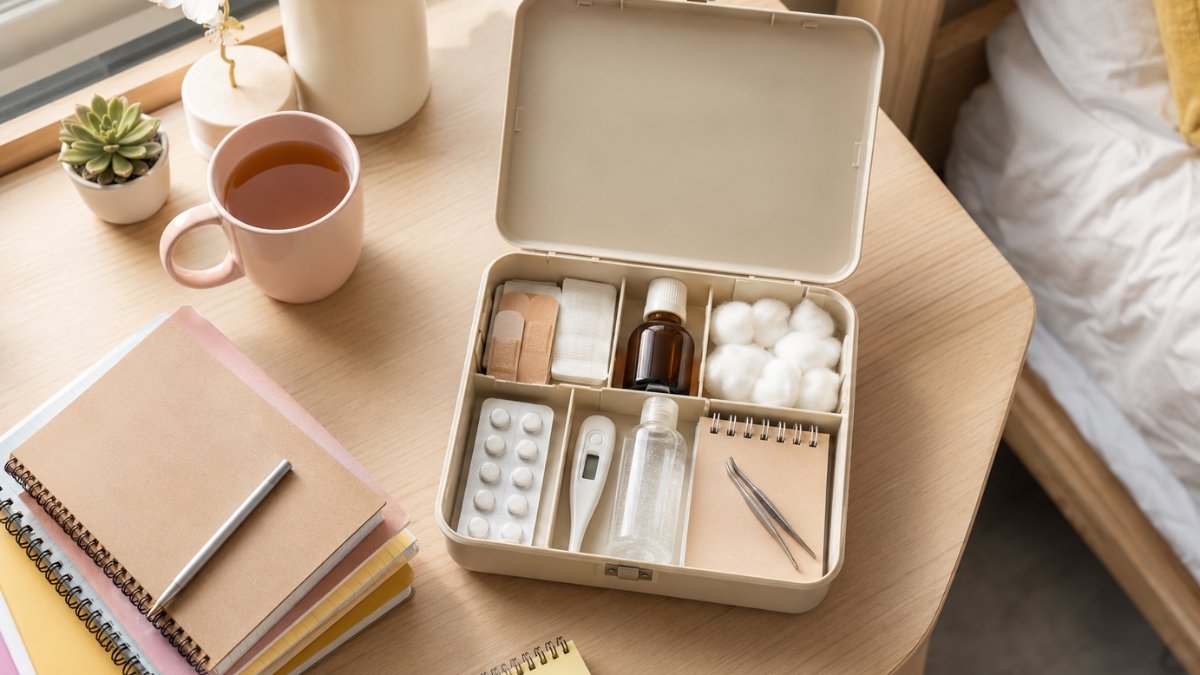
Essential First Aid Kit for Every Hostel Girl: Small Box, Big Relief
Let’s be honest, moving into a hostel for the first time feels like a mix of excitement and low-key panic. You’re figuring out your timetable, your roommate’s snoring schedule, where the nearest tea stall is, and somewhere in the middle of all that chaos, a tiny paper cut or a sudden headache can throw your whole day off. That’s when you realize how much you miss having a first aid box just… lying around at home.
If you’re currently living in or planning to move into a ladies hostel in Peelamedu, Coimbatore, or checking out options for a ladies hostel in Hope’s Coimbatore, this one’s for you. A good first aid kit isn’t about being paranoid; it’s about being prepared, and honestly, it’s one of those things nobody teaches you until you actually need it at 11 pm and the warden’s office is locked.
Why You Actually Need This (Yes, Even If You’re “Never Sick”)
You don’t need to be accident-prone to need a first aid kit. College life is unpredictable; you might twist your ankle rushing for the last bus, get a sudden bout of period cramps, burn your finger on a hot tumbler, or catch a cold from the hostel’s questionable AC. Having basic supplies within arm’s reach means you don’t have to wait, worry, or wake up your roommate at midnight asking if she has a painkiller stashed somewhere.
It also builds a habit of taking care of yourself, which, let’s face it, is a life skill nobody really sits you down and teaches.
The Must-Haves: Building Your Kit From Scratch
You don’t need a hospital-grade cabinet. A shoebox or a small pouch works perfectly. Here’s what should go in it:
- Basic Wound Care Band-aids in different sizes, antiseptic cream (like Betadine or Soframycin), cotton balls, and a small roll of gauze. Cuts, scrapes, and blisters from new shoes happen more often than you’d think.
- Pain Relief Essentials Keep a strip of paracetamol for fever and headaches, and something for period cramps if you experience them regularly. Always check with a pharmacist or doctor about dosage rather than guessing.
- Digestive Support Hostel food is great until it isn’t. Keep ORS sachets, an antacid, and something for mild indigestion. Dehydration sneaks up on you faster than you’d expect, especially during exam season when you forget to drink water for six hours straight.
- Allergy and Cold Essentials A basic antihistamine, some balm, and cough lozenges can be lifesavers when the weather shifts or the hostel room suddenly smells like everyone’s cold at once.
- Thermometer A digital one is cheap, quick, and takes the guesswork out of “do I actually have a fever or am I just being dramatic.”
- Sanitary Essentials Keep an extra stash of sanitary pads or tampons in your kit, separate from your regular supply. There’s nothing worse than realizing you’re out at the worst possible moment.
- Personal Medication If you’re on any regular prescription, allergy meds, thyroid tablets, anything, always keep a few extra days’ worth in your first aid kit as backup, in case you run out unexpectedly or can’t get to a pharmacy right away.
Little Things That Make a Big Difference
Beyond the obvious medical supplies, a few small additions go a long way:
- A mini scissor and tweezers for splinters or trimming gauze.
- Hand sanitizer and disposable gloves, especially useful if you’re helping a friend with a wound.
- A small notepad with emergency contact numbers, your blood group, and any allergies, something you can hand to someone else if you’re not in a state to explain yourself.
- Electrolyte sachets or glucose powder for those low-energy, skipped-breakfast mornings.
Where to Keep It (and Why Location Matters)
Don’t just buy the supplies and shove them into your suitcase, never to be found again. Keep your kit somewhere accessible, a labeled box on your study table or a drawer you actually open often. If you’re rooming with someone, let her know where it is too. Shared knowledge means faster help when either of you needs it.
If you’re still hunting for accommodation, it’s worth asking upfront about the medical support available on campus. The Best Ladies Hostel In Coimbatore options usually have a tie-up with a nearby clinic or at least a warden who keeps basic supplies handy, but that shouldn’t replace your own personal kit. Think of it as backup, not a substitute.
A Quick Word on Hostel Life and Self-Care
Living away from home teaches you a lot about independence, but it also means you’re your own first responder more often than you’d like. Whether you’re settling into a ladies hostel in Peelamedu or exploring a ladies hostel in Hope’s, take the time in your first week to set this up. It’s a fifteen-minute task that can save you an entire evening of discomfort or worry later.
Talk to your roommates too, pooling resources for bigger things like a heating pad or a blood pressure monitor makes sense, since not everyone needs to buy everything individually.
Wrapping It Up
A first aid kit isn’t just a box of medicines, it’s peace of mind tucked away in a drawer. It tells you that no matter how unpredictable hostel life gets, you’ve got at least one thing sorted. So before you get swept up in assignments, new friendships, and figuring out the best food joints nearby, take an evening to put this kit together. Future you, nursing a stubbed toe or a sudden headache at midnight, will genuinely thank you for it.
Stay prepared, stay comfortable, and make your hostel room feel a little more like home, because when you’re equipped for the small stuff, you get to actually enjoy the big adventure that hostel life is.
Comments are closed